Environmental and toxic exposure cases aren’t abstract: they affect your health, your family, and your future. When corporations cut corners and people get hurt, accountability matters. At The Popok Firm, our national network connects you to attorneys who know how to prove it.
Environmental / Toxic Torts
Types of Environmental / Toxic Torts Cases We Handle
Environmental and toxic exposure takes many forms, but the pattern is the same: a dangerous substance, a failure to control it, and real harm to people. At The Popok Firm, our affiliated attorneys handle a wide range of toxic exposure claims, including the following:
Chemical Spills
Chemical Spills
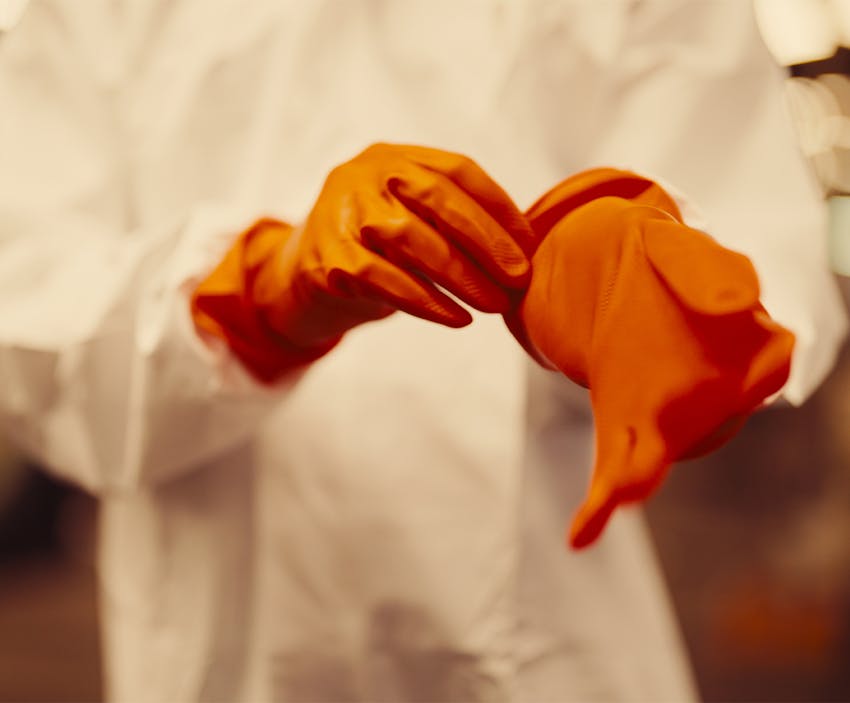
Chemical spills can occur at industrial sites, during transport, or due to improper storage. When hazardous substances are released, they can contaminate soil, water, and communities. These cases often involve delayed cleanup, inadequate warnings, and long-term health risks, including respiratory issues, burns, and chronic illness tied directly to the exposure.
Airborne Pollutants
Airborne Pollutants
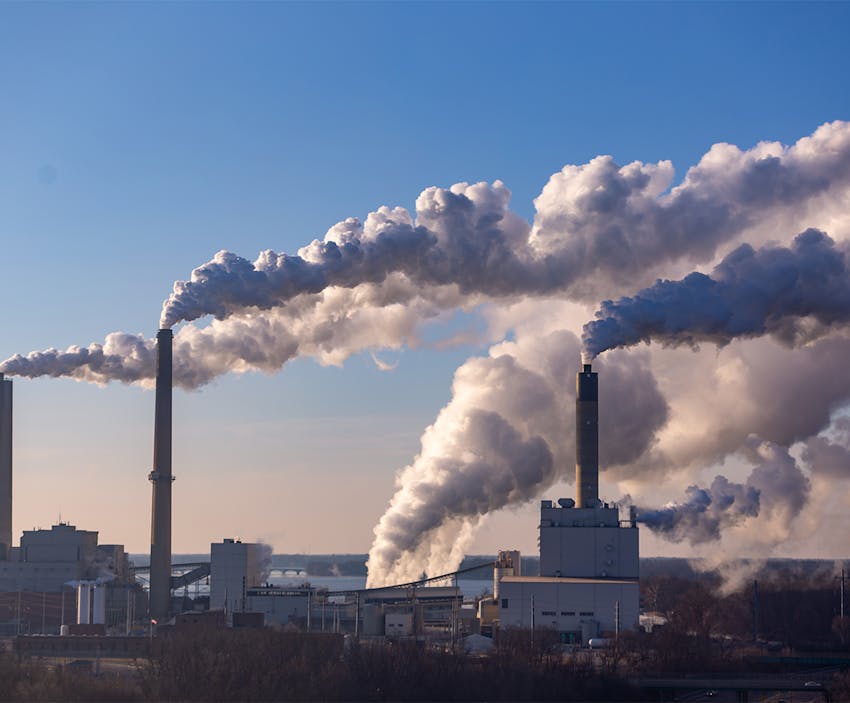
Airborne toxins from factories, refineries, and construction sites can travel far beyond their source. When companies fail to control emissions or follow safety standards, nearby residents may inhale dangerous substances over time. These exposures are often linked to asthma, lung disease, and other serious conditions that develop gradually but have a lasting impact.

Asbestos Exposure
Asbestos Exposure
Asbestos exposure remains one of the most well-known toxic tort claims, often tied to older buildings, job sites, and industrial materials. When disturbed, asbestos fibers become airborne and can be inhaled, leading to illnesses like mesothelioma and lung cancer. These cases often involve decades-old exposure and require careful investigation to trace responsibility.
Contaminated Water
Contaminated Water
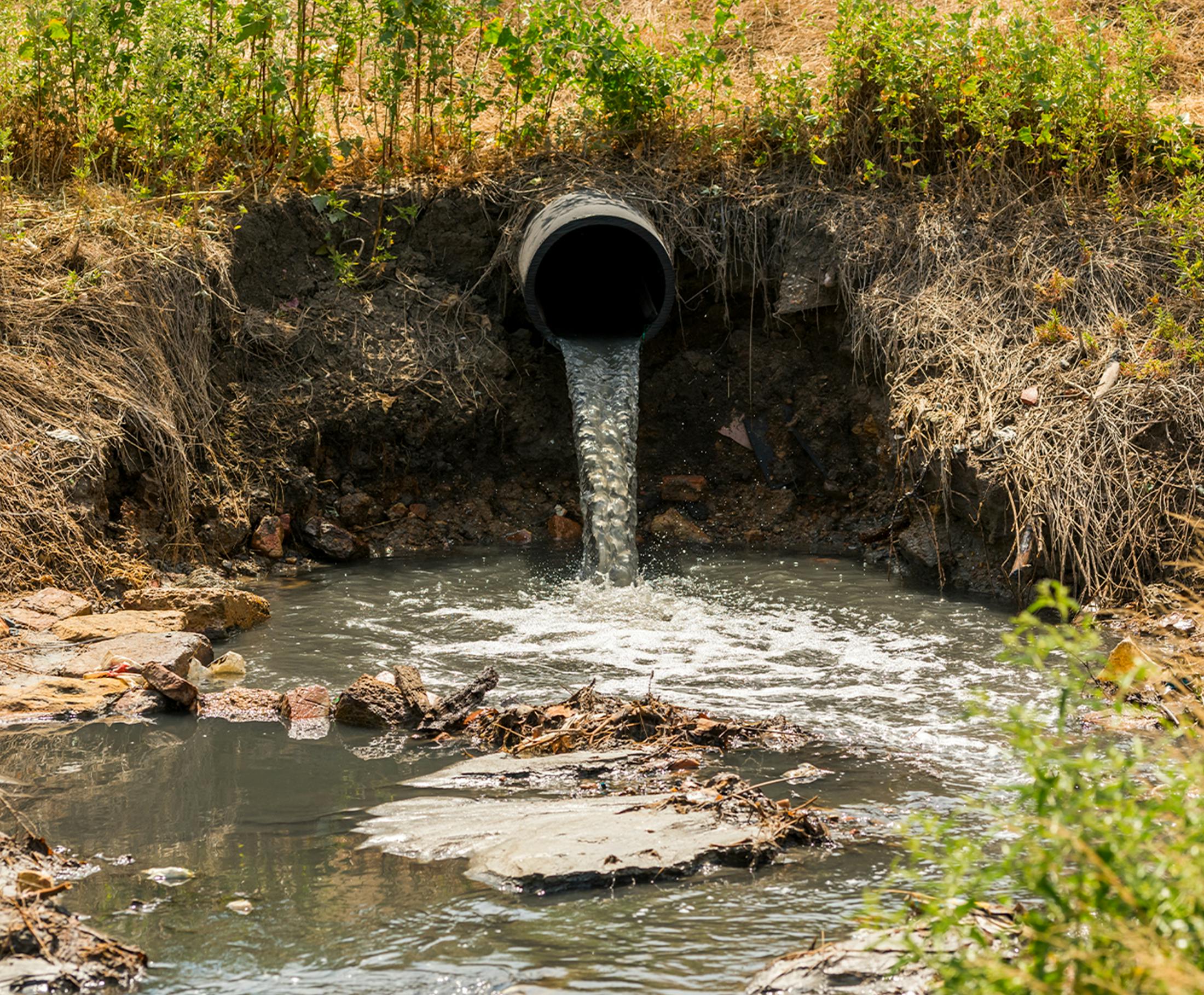
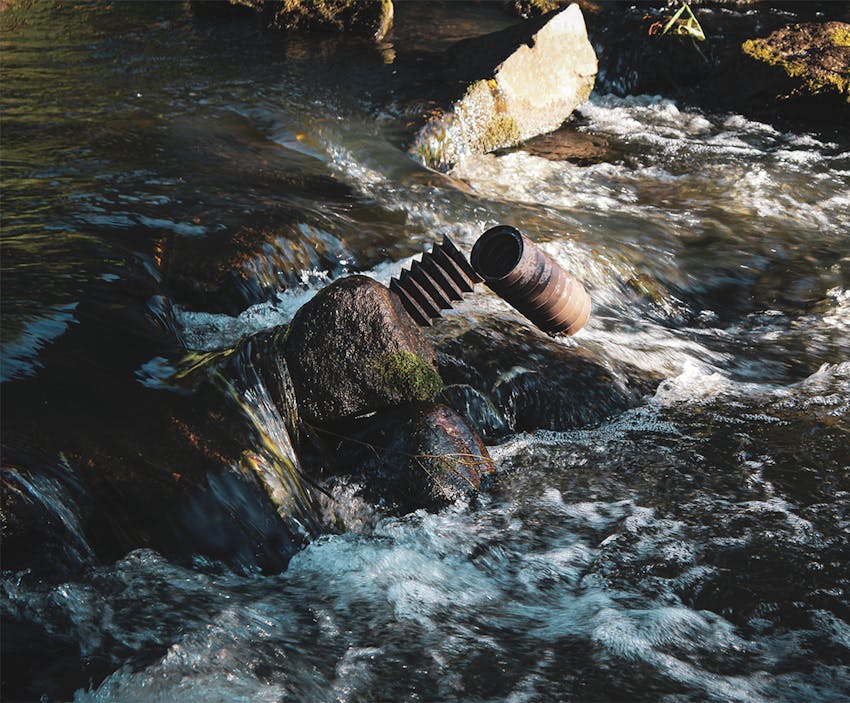
Contaminated water cases arise when harmful substances enter drinking water supplies through industrial runoff, waste disposal, or infrastructure failures. Exposure can affect entire communities, leading to serious health consequences. These claims focus on identifying the source, proving the link to illness, and holding responsible parties accountable.

Pesticide Exposure
Pesticide Exposure
Pesticide exposure can occur in agricultural, residential, or commercial settings when chemicals are misused or improperly applied. Prolonged or repeated contact may lead to neurological issues, hormone disruption, or other chronic conditions. These cases often involve failures to warn, improper handling, or violations of safety regulations that aim to protect the public.
Start Your Free Case Review
Get Clear Answers Fast
Reach out today. The Popok Firm will connect you with trusted attorneys who can review your situation, clearly explain your options, and help you understand the next steps.

No Fee Unless We Win

Available 24/7

Se Habla Español



Get The Big Auto Engine Behind You Michael Trusts Big Auto Accident Attorneys. So Can You.
When you come through The Popok Firm, you’re backed by the national power of Big Auto Accident Attorneys. Michael Popok brings more than 35 years of litigation experience and over $100 million in recoveries to the table, and he’s deliberate about who he aligns with. That’s why cases are connected to a vetted nationwide network built to handle complex claims.
On the other side, corporations and insurers deploy seasoned defense lawyers, experts, and resources to limit what they pay. You need more than a single attorney: you need a coordinated legal effort capable of matching that pressure. Through this partnership, you get a team that investigates deeply, builds leverage, and pursues the strongest outcome the facts will support.

Frequently Asked Questions Environmental / Toxic Torts
What if I was exposed years ago?
That’s common. Many toxic exposures don’t show symptoms right away. The law recognizes this through what’s called the discovery rule (the clock starts when you knew or should have known about the injury). However, getting your case evaluated quickly is critical.
Can multiple companies be held responsible?
These cases often involve multiple defendants: manufacturers, property owners, contractors, or operators. The law allows for apportionment of liability (dividing responsibility among parties), and experienced counsel will identify every entity that contributed to your exposure.
What kind of compensation is available?
You can pursue damages for medical expenses, lost income, reduced earning capacity, and pain and suffering. In some cases, courts may allow punitive damages to punish reckless conduct. No outcome is guaranteed, but the goal is to pursue the fullest recovery possible.
Do I need proof of the exact chemical or toxin?
Not always at the outset, but you need a credible path to identifying it. Investigations often include environmental testing, workplace records, and regulatory filings. The key is to build a defensible theory of exposure that can be supported by evidence.